ToneGym Hero: Pavol Brezina
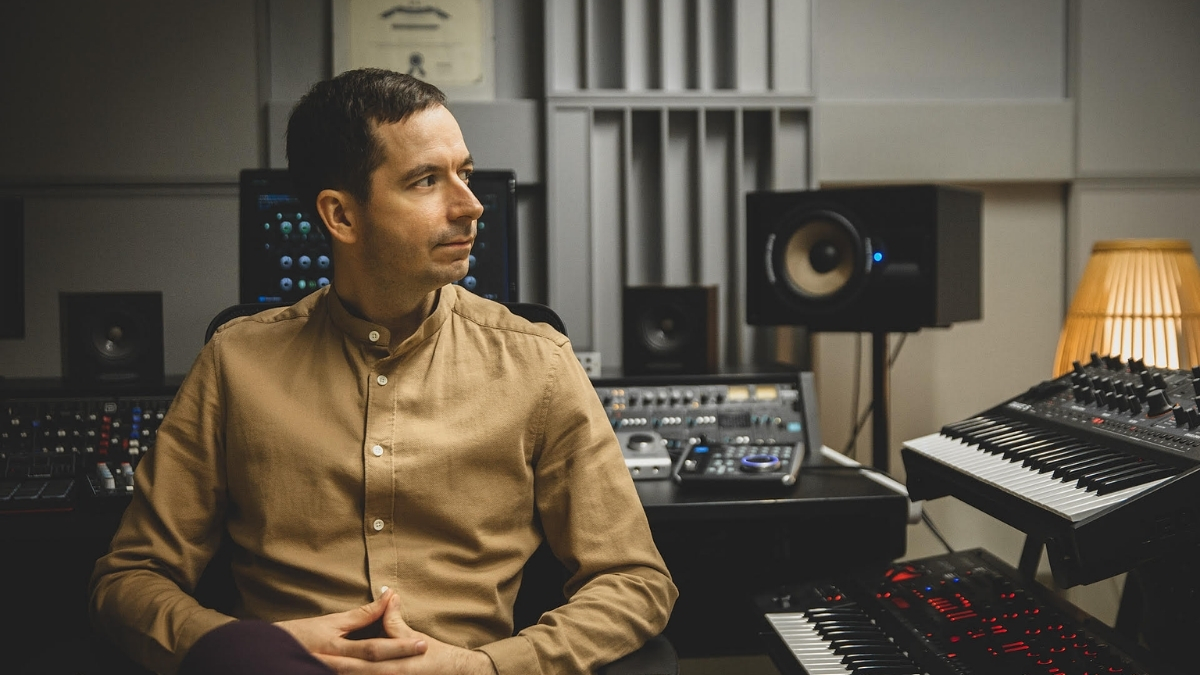
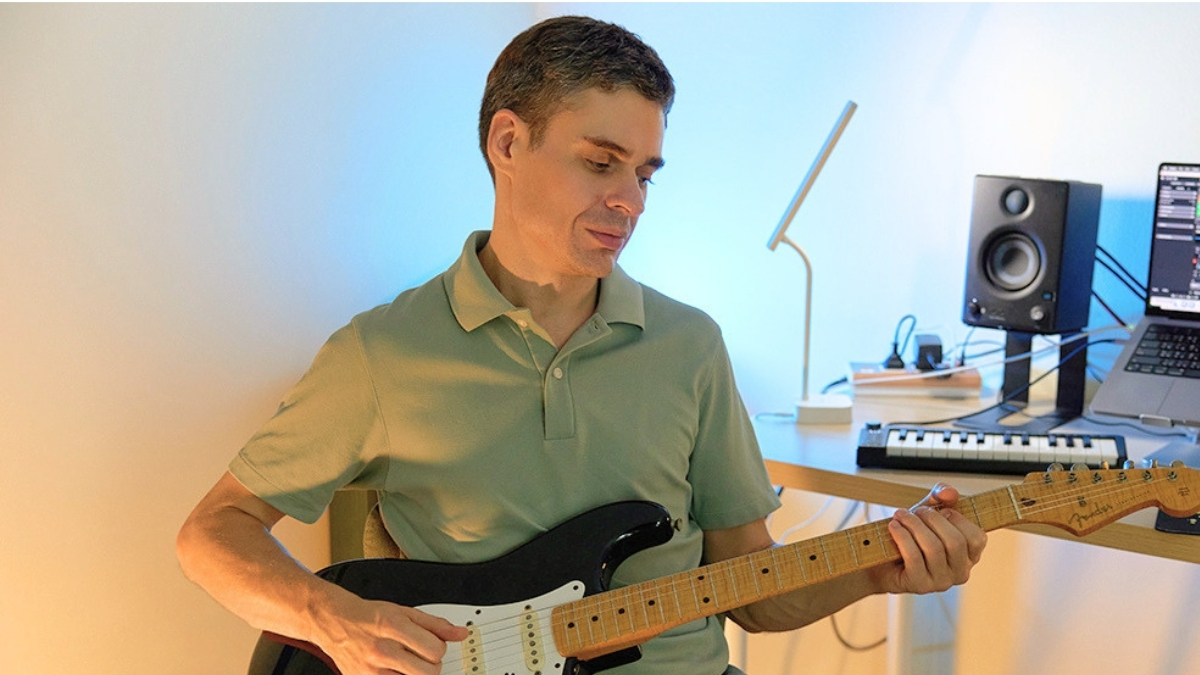
Pianist, university lecturer, and self-confessed technical problem-solver with a soft spot for Hans Zimmer's "Time," Pavol Brezina never set out to teach people how to listen. He was just someone for whom music had always been part of life, with a curiosity that grew from enjoying sound to wanting to know how it's shaped and how it carries ideas and emotion. That led to years studying music, sound and acoustics, then teaching those subjects at university, and to a daily ToneGym routine he now brings into the classroom, before discovering that listening is a skill that can be systematically trained. Pavol Brezina is this month's ToneGym Hero!
How did you first find your way into making music?
Music has been a natural part of my life for as long as I can remember. Over time, my interest developed from simply experiencing music into wanting to understand how it works, how sound can be shaped, and how music can communicate ideas and emotions. That eventually led me not only to creating music, but also to studying music, sound and acoustics, and later to teaching these subjects at university.
Aside from music, what hobbies or activities do you enjoy?
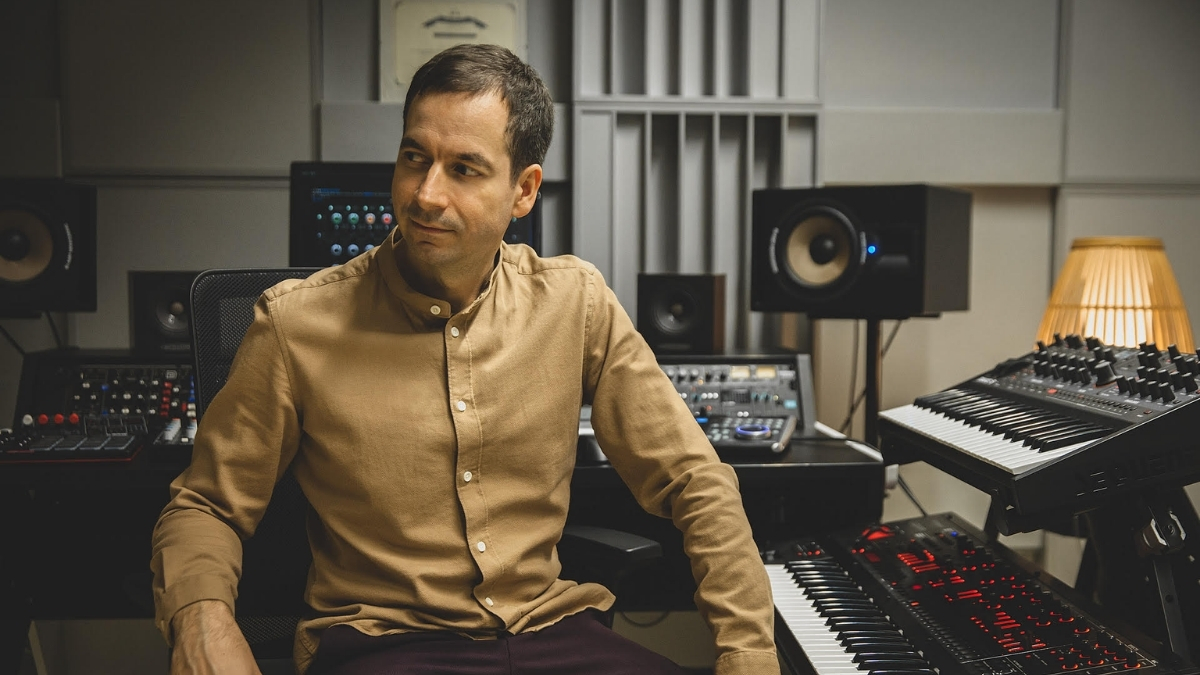
I enjoy spending time with my family and being active. I also have a strong interest in technology and exploring how different tools can be used creatively. I like finding connections between technology, education and practical problem-solving.
What’s something you're surprisingly good at that has nothing to do with music?
Probably solving technical problems. I enjoy taking something complicated, figuring out how it works, and finding a practical solution. I have always been curious about technology, and that mindset is useful far beyond music.
If you could play or create with any artist, who would it be and why?
I would choose Hans Zimmer. What fascinates me is the way he combines composition, sound design, technology and large-scale musical thinking. His approach shows that music can go far beyond traditional boundaries, and I would love to experience that creative process from the inside.
What musical instrument do you love the most, and what makes it irreplaceable for you?
The piano. It is incredibly versatile and gives me a direct connection between musical ideas and sound. I also love the fact that it allows you to think harmonically, melodically and structurally at the same time. For me, it remains one of the most complete tools for developing and expressing musical ideas.
What daily or weekly habits do you have in place to keep you creating?
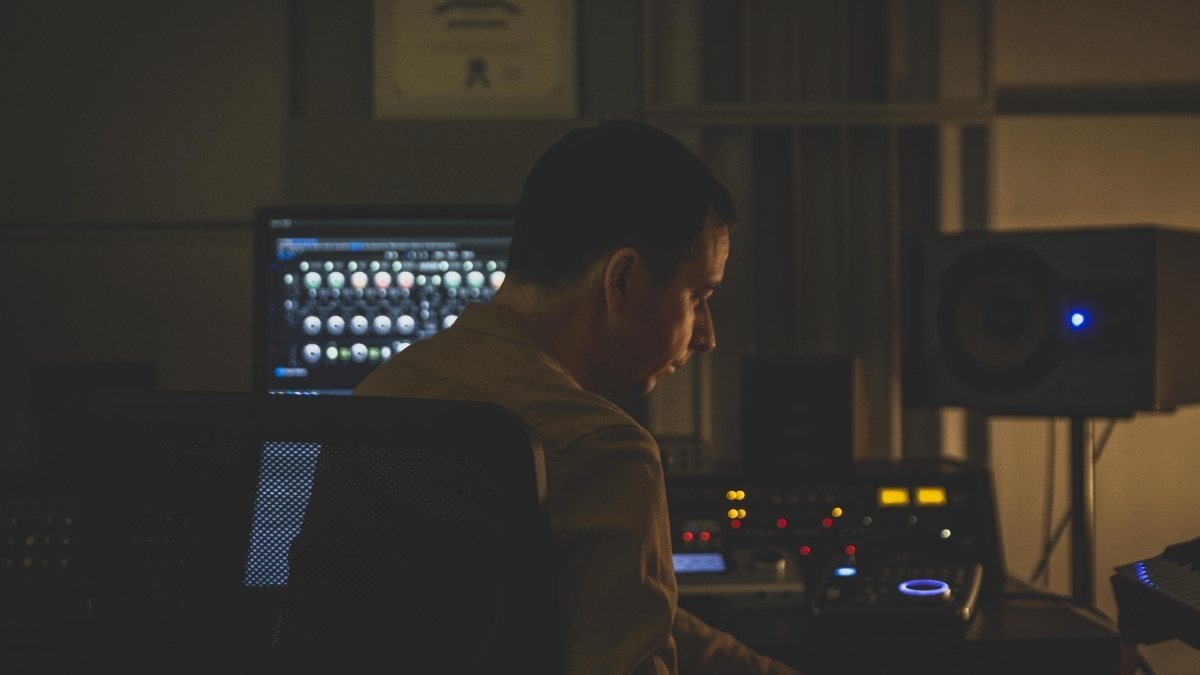
I try to stay connected to music every day, even when I am not actively composing. Listening analytically, working with sound, experimenting with technology and, especially, training my ears are all part of that process. I also use ToneGym every day because I believe that strong musical intuition has to be supported by a highly developed ear.
What keeps you motivated to continue making music?
Curiosity. There is always something new to discover in music and sound. I am particularly motivated by the possibility of combining creativity, technology and education, and by seeing how improving my own skills can also help me teach students more effectively.
What song would you choose as the soundtrack of your life?
“Time” by Hans Zimmer. It captures something I strongly relate to: the passage of time, persistence, emotion and the idea that simple musical elements can become incredibly powerful when they are developed patiently.
What's your favorite feature on ToneGym, and how has it helped you in your musical journey?
The daily ear-training exercises are my favorite. I like the fact that ToneGym turns ear training into a regular habit rather than something you do only occasionally. I use it every day for my own listening skills, but I also use it as an educational resource with my university students. It has helped me become more precise and confident when identifying and describing what I hear, and it has reinforced my belief that listening is a skill that can be systematically trained.
What’s something exciting you're working on or looking forward to?
I am looking forward to continuing to explore the relationship between music, sound, technology and education. I am particularly interested in developing better ways of teaching listening and auditory skills, while continuing my own research and creative work. I see a lot of potential in combining traditional musical education with modern digital tools.
You can check out Pavol on his Website, and on YouTube!
Comments:
Sep 29, 15:01
Login to comment on this post