After months of failing over and over, I finally beat the 1st level of Inversionist!
For those like me that struggle with this exercise, here's what it took for me to finally beat it: • Listen to the ToneGym playback multiple times. • Find the base chord on the piano in the same general range as the ToneGym playback. • Move back and forth between inversions on the piano. • Key step: Now play it back on the piano as an arpeggio. Playing as a chord didn't cut it for me, but for some reason playing as an arpeggio allowed me finally hear where the inversion was.
Good luck, folks, and let me know if this helped any of yall, or if you have any other tips!
I've been relying on my intuition for the most part. It's a lot harder for me to focus on the right answer than it is to just assign a feeling to each sound and take my best guess.
The root sounds settled and final, the 1st sound wonky or off somehow, the 2nd sounds like the root but with a touch more bite or air to it?
Maybe there's a better way, I just started but that's what's worked for me so far!
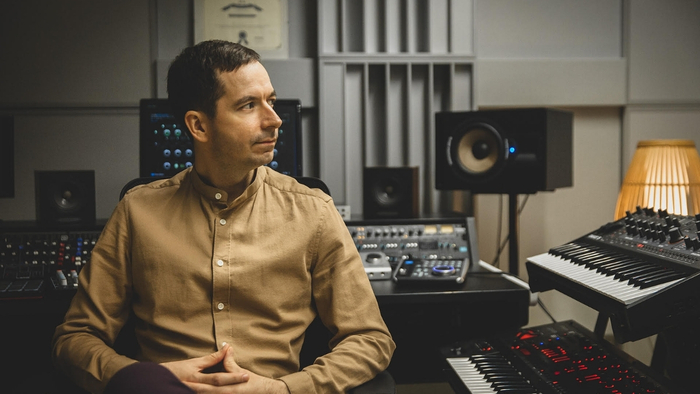
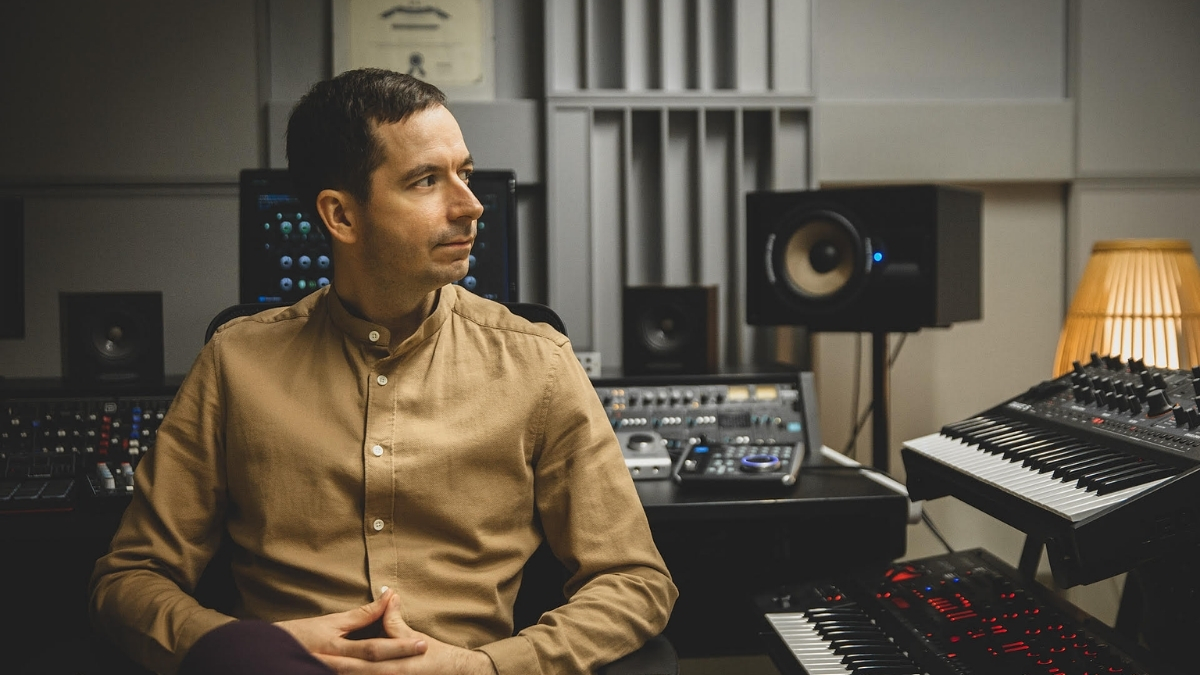
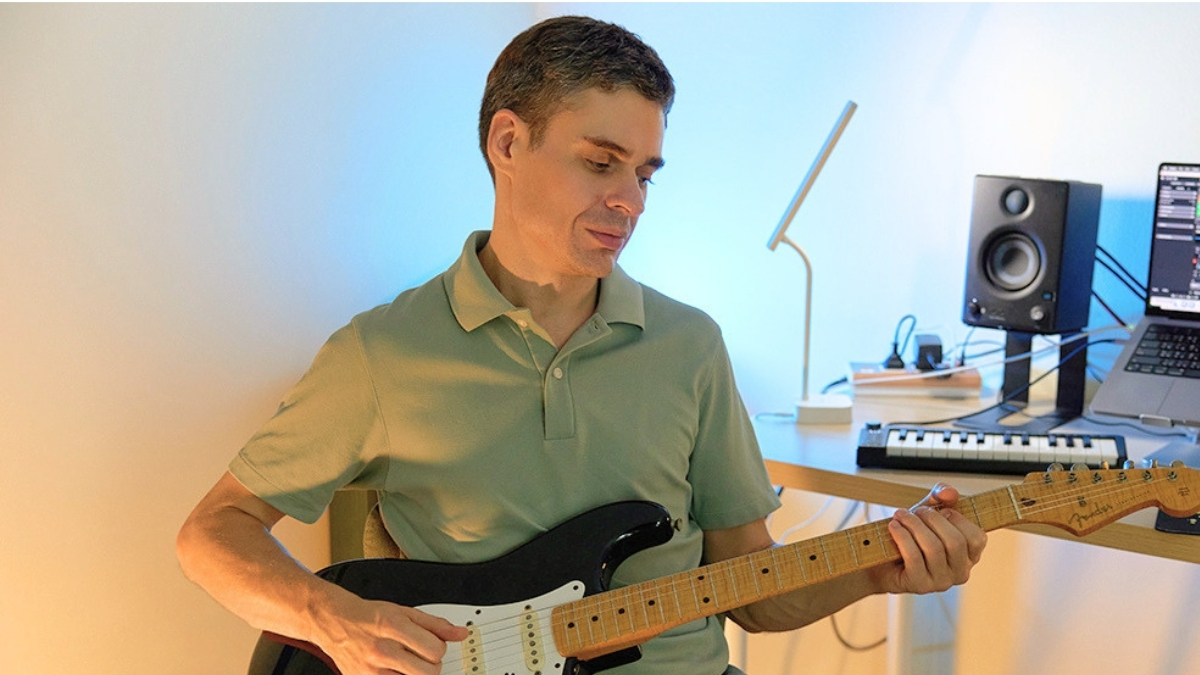
Pianist, university lecturer, and self-confessed technical problem-solver with a soft spot for Hans Zimmer's Time, Pavol Brezina never set out to teach people how to listen. He was just someone for whom music had always been part of life, with a curiosity that grew from enjoying sound to wanting to know how it's shaped and how it carries ideas and emotion.
That led to years studying music, sound and acoustics, then teaching those subjects at university, and to a daily ToneGym routine he now brings into the classroom, before discovering that listening is a skill that can be systematically trained. @Pavol Brezina is this month's ToneGym Hero!
I am stuck at Departurer in distinguishing M21 from m21. Does anyone have a hint / technique for me, how to overcome this? I think, I have to find a different approach. Thanks a lot!
I use song references to hear intervals. For m7 I hear “Tonight” from West Side Story (There’s a place for us). I also have a reference song for the M7 (actually from the musical Damn Yankees) - also agree - the M7 has a lot more tension.
Not enough time to practice? Let's talk about that.
We've all said it: I'd practice more if I had the time.
But here's a question from our latest article: if you could quit your job tomorrow and do music full time, would you actually put in an extra 40 hours a week?
Probably not. And that's okay. Music is a marathon, not a sprint. The musicians who improve fastest aren't the ones with the most free time; they're the ones who use the time they have with intention.
Great take! I would add clarify and define what is that that you want to improve on, for a specific amount of time, say:
- I'd like to improve my understanding of harmony on my instrument for the next 3 months
or
- I'd like to master blues-jazz changes for the next 2 weeks
It's much easier to progress and develop a practice routine when you are aiming for something specific, even if it's in the short or the long run. Define your goals.
Get a vocal coach, or if that is beyond your budget, join a community college choir (usually pretty cheap), where assessing your voice type to put you in the right section will be part of the process.
We use cookies to improve your experience. Essential cookies keep the site running. We also use optional cookies to enhance performance, analyze traffic, and personalize ads. By clicking “Accept”, you agree to the use of all cookies.


























































Sep 30, 04:03